How to Choose the Right Dune Buggy in Dubai
Why the Right Buggy Matters for Dubai's Desert
Dubai's dunes are not just sand heaps. They are steep, soft, and constantly shifting. A dune buggy that works well on a flat gravel track can feel unstable or underpowered when you hit the tall red dunes of the Liwa area or the smaller, more compact dunes near Al Qudra. Picking the right machine means matching its design to the terrain you plan to ride and your own skill level. This article walks through the key decisions, from engine type to safety gear, so you can make a choice that fits your trip.
Step 1: Decide Between a Tour and a Self-Drive Rental
The first fork in the road is whether you want a guided experience or the freedom to drive on your own. Guided tours usually include a lead vehicle, a set route, and sometimes a support truck. They are ideal if you are new to the desert or want someone else to handle navigation and recovery. Self-drive rentals give you the wheel for a set period, often with a map or GPS coordinates. You have more flexibility but also more responsibility. If you are unsure about your ability to read the dunes, start with a guided option. If you have off-road experience and want to explore at your own pace, a self-drive rental might suit you better. Many companies in Dubai offer both. A resource like dunebuggyrentalsdubai.com can help you compare what is available.
Step 2: Match the Buggy to the Terrain
Not all dunes are the same. The terrain around Dubai varies from hard-packed sand near the city to very soft, powdery sand further inland. A buggy with wide, deep-tread tires and good ground clearance will handle soft sand better. Narrow tires or low clearance can cause the machine to sink or get stuck. If you plan to ride in areas with sharp changes in elevation, look for a buggy with a longer wheelbase. It will be more stable on steep descents. For tight, technical sections, a shorter wheelbase gives you quicker turns but can feel tippy. Think about where you will spend most of your time and choose accordingly.
Step 3: Choose the Right Engine Size
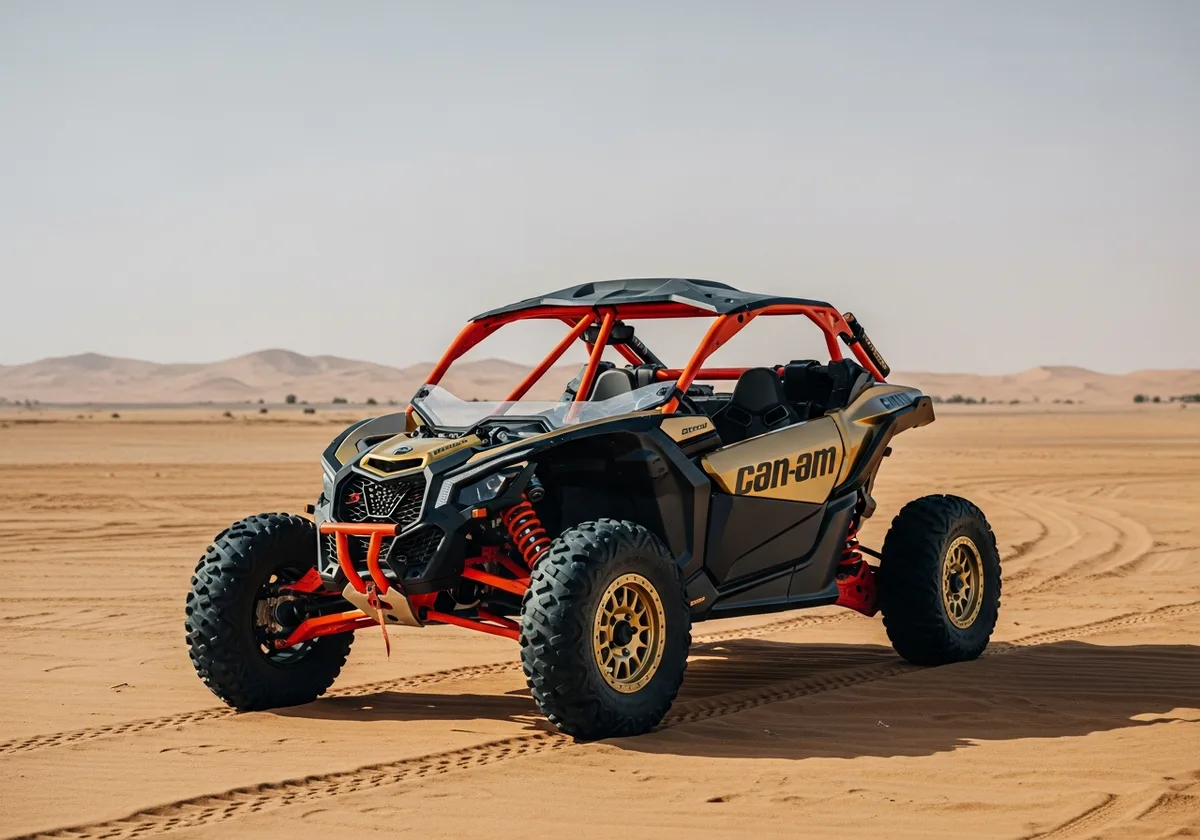
Engine size directly affects power and speed. Smaller engines, around 200cc to 400cc, are lighter and easier to handle. They are good for beginners or for routes that do not have long, steep climbs. Larger engines, from 500cc up to 1000cc or more, provide the torque needed to climb tall dunes and maintain speed on open stretches. The trade-off is weight and fuel consumption. A heavier buggy can feel sluggish in soft sand if the engine is not powerful enough. A very powerful buggy can be exhausting to control for long periods if you are not used to it. Test the controls and get a feel for the throttle response before you commit.
Step 4: Check the Suspension and Seating
Dune driving is a physical experience. The suspension absorbs the bumps and keeps the tires in contact with the sand. Look for adjustable shocks, which let you tune the ride for your weight and the terrain. A buggy that bounces too much will be tiring. One that is too stiff will rattle your teeth. Seating matters almost as much. A well-padded seat with a harness that holds you securely makes a big difference over an hour or two. If you are sharing the buggy with a passenger, check that the seat is wide enough for two people and that there are handholds. Try sitting in the buggy before you rent it. If your knees are cramped or your back has no support, that will wear you down fast.
Step 5: Understand Safety Features
Safety in the desert starts with the machine itself. A roll cage or frame is essential. It protects you if the buggy tips. A four-point harness keeps you in the seat. Look for a kill switch that cuts the engine if you leave the driver's seat. This prevents a runaway buggy. Some models have a fire extinguisher mounted on the frame. Check that it is present and not expired. Also ask about the recovery equipment. A tow rope or a winch can save a lot of trouble if you get stuck. Never rely only on the buggy's power to get you out of soft sand. Always carry a shovel and a recovery board if you are driving alone.
Step 6: Evaluate Visibility and Navigation
Driving in the desert means dealing with glare, dust, and sometimes limited sight lines. A buggy with a high seating position gives you a better view over the next dune. Some buggies have windshields that protect your face from sand. Others are open, which feels more thrilling but can be hard on your eyes and skin. For navigation, GPS is common on self-drive rentals. Make sure the system is loaded with the area's waypoints. If you are following a guide, confirm that the guide has a working radio or hand signals. Getting separated is easy in the dunes, especially when you crest a ridge and the buggy in front disappears into a bowl.
Step 7: Consider Your Own Experience
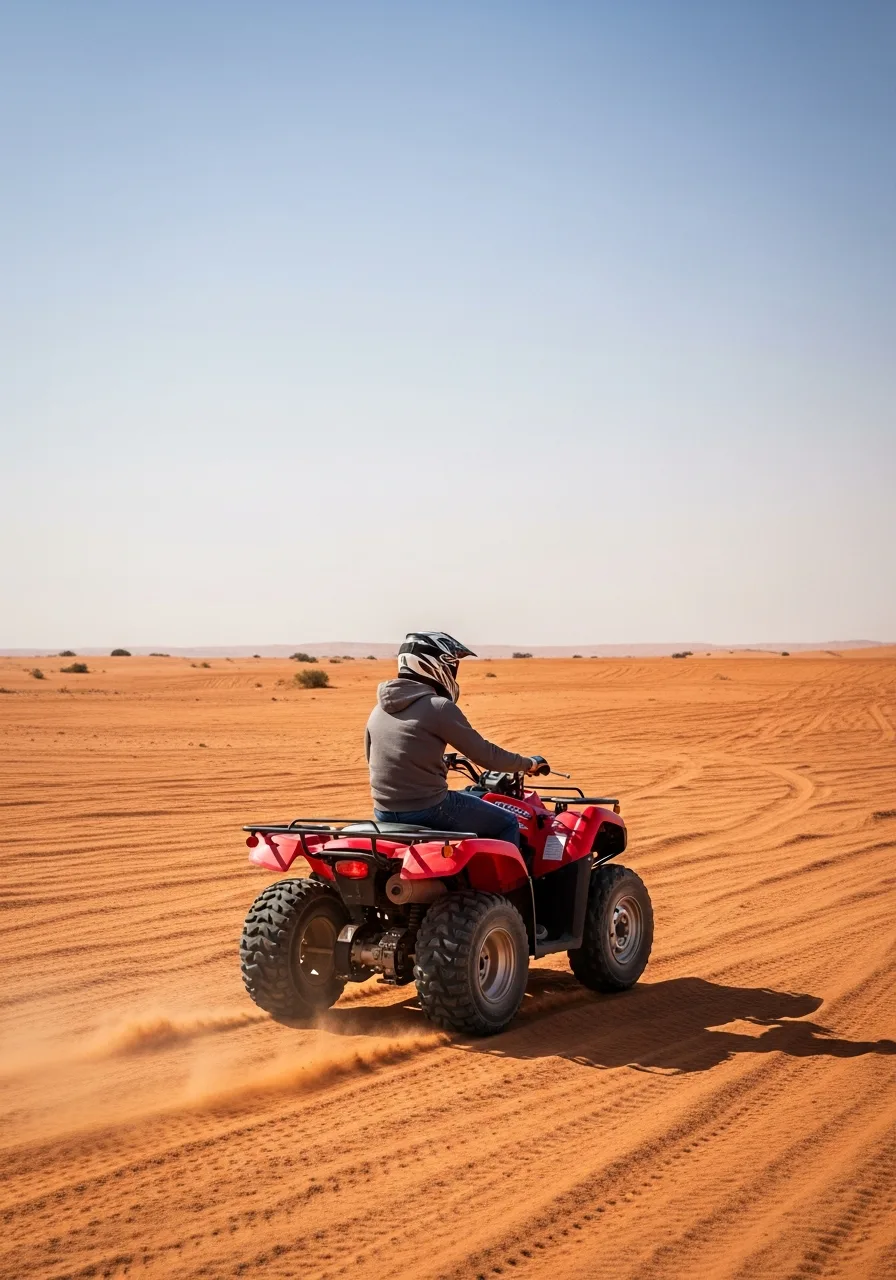
Be honest about your driving skill. A powerful buggy can be a handful if you have never driven off-road. The sand behaves differently than asphalt. Turns require more room. Braking distances are longer. If you are a beginner, choose a buggy with a lower power output and automatic transmission. Manual transmissions give more control but require practice. Some rental places offer a short training session. Take it. Even 15 minutes of instruction on how to approach a dune can prevent a rollover. If you are experienced, look for a buggy that lets you adjust the settings, such as steering sensitivity or throttle response.
Step 8: Plan for the Weather
Dubai's heat is no joke. Summer temperatures make midday rides dangerous. The best time to drive is early morning or late afternoon, even in winter. Check that the buggy has a shade canopy or that you have appropriate clothing. Sunscreen, water, and a hat are not optional. Some buggies have cooling fans or vents. Ask about these features if you are renting in the hotter months. Dust storms can appear quickly. A buggy with a sealed cabin or at least a dust filter for the air intake helps keep the engine running clean. If you are renting from a company, ask about their policy on weather cancellations. It is better to know in advance than to lose your deposit when a storm rolls in.
Step 9: Compare Rental Packages
Rental terms vary widely. Some include fuel, safety gear, and a guide. Others charge extra for insurance, recovery, or even the helmet. Read the fine print. Look at what happens if you damage the buggy. Some companies have a damage waiver that covers minor dings. Others hold a deposit. Ask about mileage limits. A package that sounds cheap may have a short time limit or a small area restriction. A resource like dunebuggyrentalsdubai.com can give you a broad view of what is available, but always confirm the details directly with the rental provider. Also ask about the condition of the buggy. A well-maintained machine with recent service records is worth more than a shiny one that has not been checked.
Step 10: Trust the Rental Provider
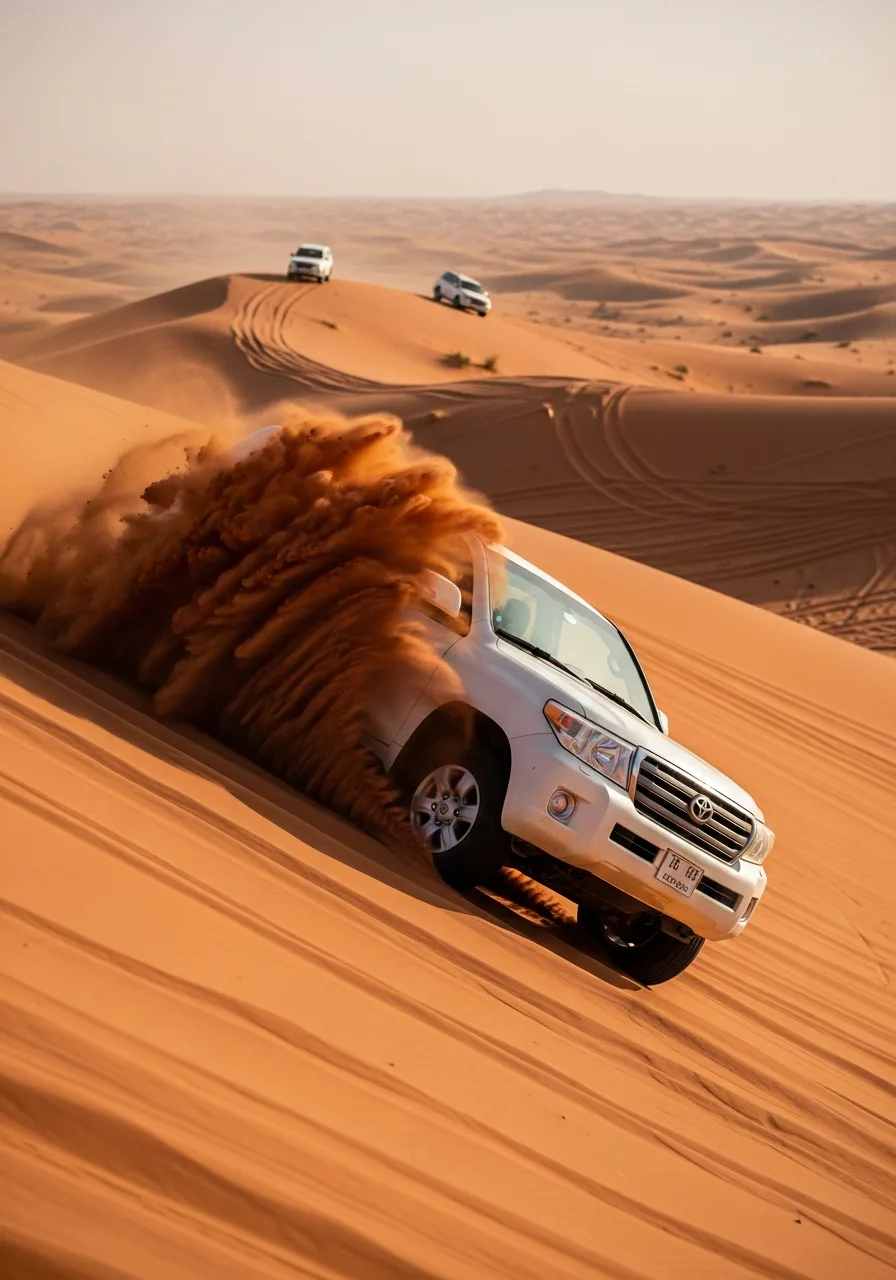
Finally, pick a company that answers your questions clearly. A good provider will tell you about the buggy's history, its strengths, and its limits. They will show you how to operate the controls and what to do in an emergency. They will not pressure you into a faster or more expensive model. If you feel rushed or the staff seems unsure, that is a red flag. The desert is a demanding environment. A reliable buggy and a trustworthy company make the difference between a great day and a frustrating one. Dune Buggy Rentals Dubai is one example of a provider that focuses on this kind of experience, but there are others. Take your time, compare, and choose based on your needs, not on a flashy website or a low price.
Dune Buggy Rentals Dubai on social media
 Facebook
 Instagram
 YouTube
 Pinterest